The Antrim Rambler Guided Walks
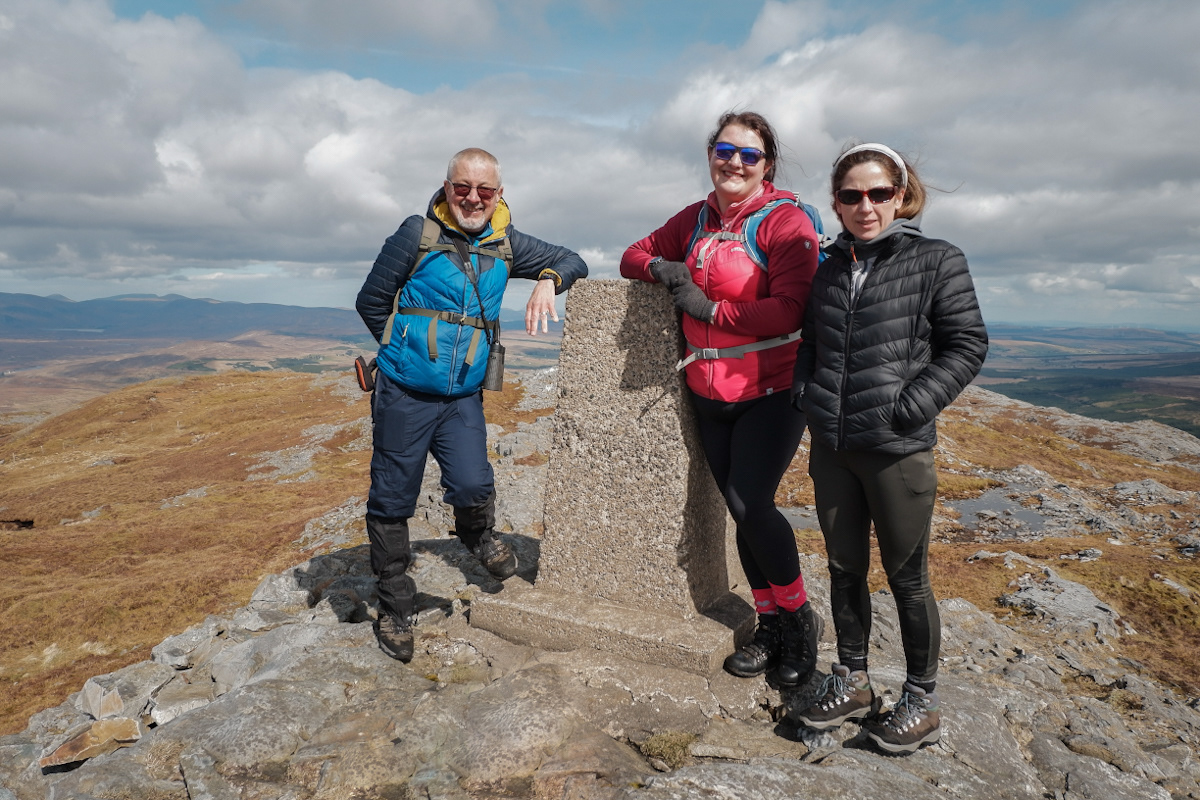
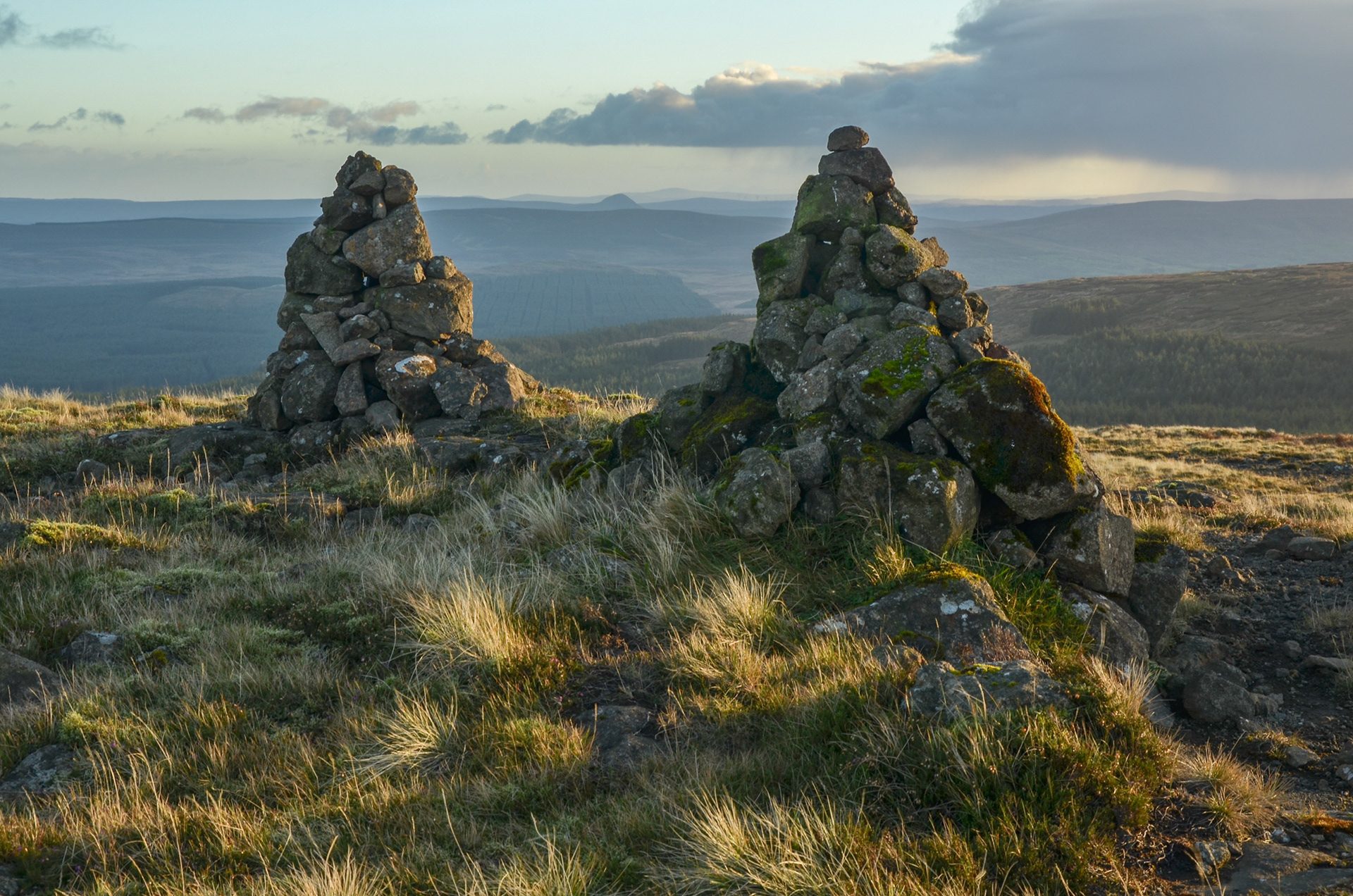
From the wild summits of the Antrim Hills to the dramatic hills of Donegal, The Antrim Rambler offers regular guided hill walks on a weekly basis all year round. Every walk is led by the legendary Cecil who has an unmatched local knowledge of the landscape, taking you to the places you never hear about.
For private guided walks for your group or organisation, please get in touch at hello@theantrimrambler.com
Book your place on our next walk via Eventbrite.
Landscape Photography
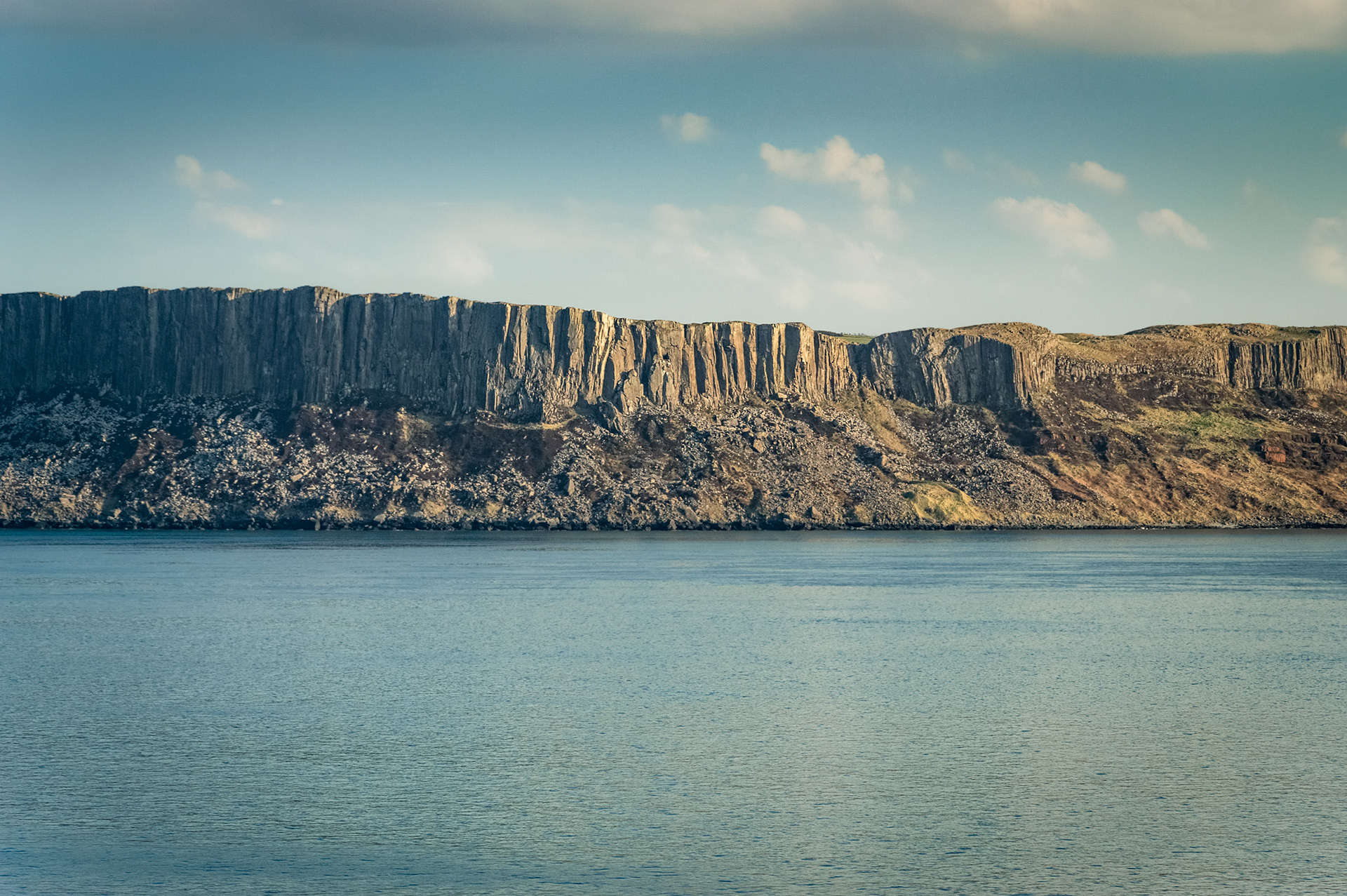
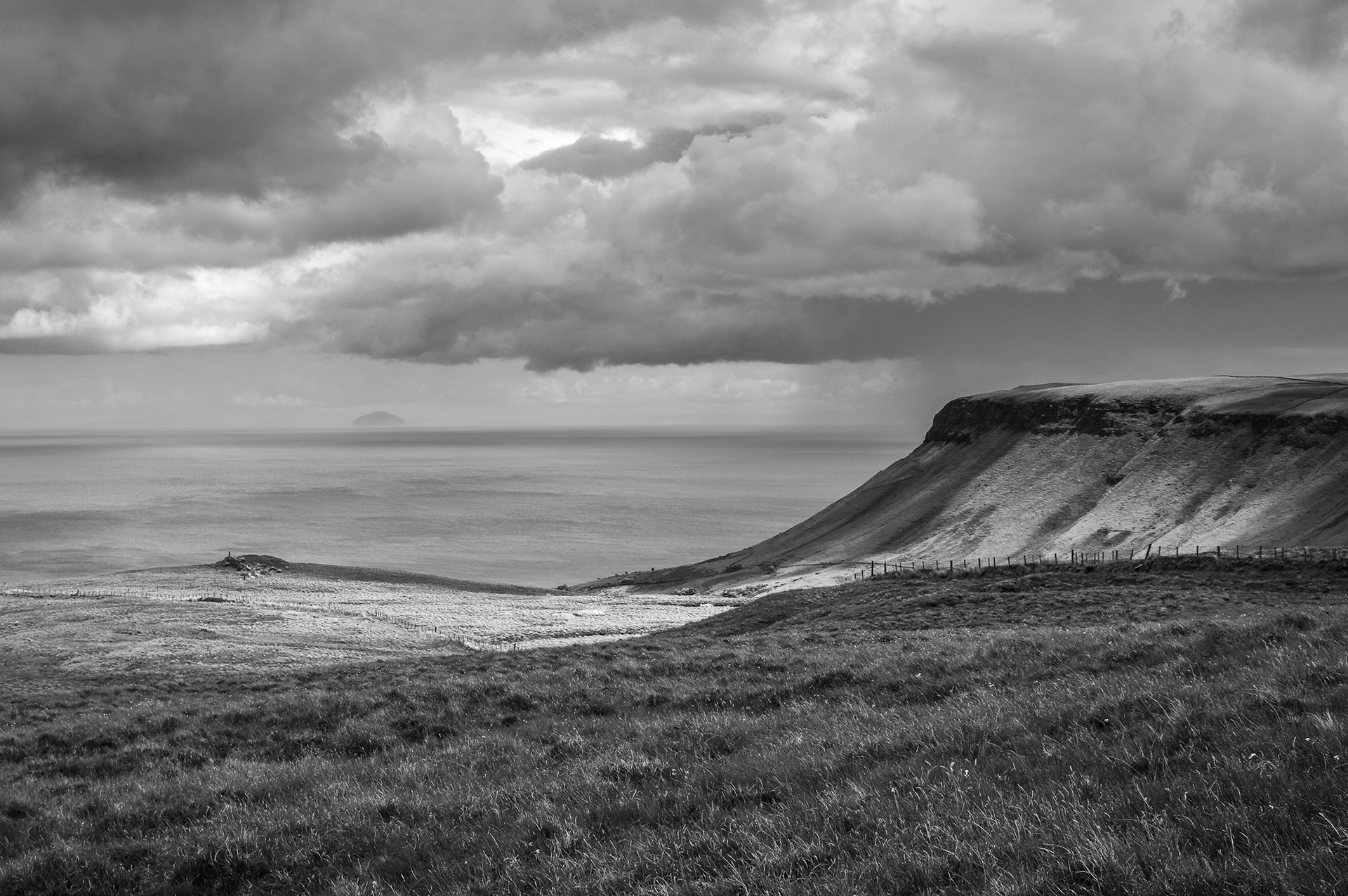
Nicholas captures the Antrim landscape to make fine art prints available worldwide. He has work hanging on every continent in every type of building you can imagine. His work covers golden coastal sunsets and the brooding Antrim uplands and each print brings what he witnessed to life.
What our customers say:
Lorraine
“
Had a great walk today. 6 peaks in the Glenshane Circuit led by a great walk leader. Cecil was a real gentleman and was very knowledgeable of the area. Already looking forward to another walk with Cecil. Well done and thank you Cecil
”Liz H.
“I have been more than pleased with both photographs and calendar that I have ordered from The Antrim Rambler. A true reflection of views from this wonderful corner of the world”
Catherine S.
“Ordered canvas, a print and calendars. They were arrived faster to South Eastern Australia than my local mail!! And I am thrilled with them. Just beautiful to have a piece of my parents home on my wall”
Pearl M.
“Have bought calendars, one of which was posted off to Australia for me, well packaged and arrived quicky, recipient was delighted with it. I bought a print of Dunluce Castle, which is beautiful. I'd have no hesitation about buying any of Nicholas's work, it's all very professional and very reasonably priced“
Cathy C.
“Great hike organised, would highly recommend“